What to Know Before Hiring a Roofing Company

In this article, we’ll explore the essential aspects you need to consider before hiring a roofing company to ensure you make an informed decision, ensuring a smooth and successful roofing project. Hiring a roofing contractor is a significant investment of both time and money, and selecting the right one can be the key to a successful outcome. It’s crucial to conduct thorough research and gather as much information as possible.
This helps not just in selecting the right service, but also in anticipating the processes involved, from project initiation to completion. Whether it’s residential roofing or commercial needs, these insights will guide you, ensuring your project runs smoothly and efficiently.
1. How do I choose the right roofing company?
Choosing the right roofing company involves considering several key factors to ensure the safety and integrity of your home or business. First, it’s essential to confirm that the company is licensed and insured, important factors that protect both you and the contractors during the project. Reviewing previous work or projects is also a crucial step; this can be done by asking for references or checking online reviews to gauge past customers’ satisfaction. Additionally, it’s wise to get multiple quotes to compare pricing while assessing the value rather than just the cost. Trust and communication should also be a priority, as a responsive contractor is often indicative of a reliable roofing service.
Another important step in selecting a roofing company is evaluating their experience and expertise, especially concerning the specific type of roofing material you require. Different types of roofs, like asphalt shingles or slate tiles, require different skills and tools. Ensure that the roofing contractor has experience dealing with the material you need, and inquire if they have any certifications from roofing material manufacturers. Certification can indicate a higher level of knowledge and expertise when it comes to installation practices and warrantied products. Security in this aspect ensures that you won’t face unforeseen problems due to installation failures.
Check the roofing company’s standing with the Better Business Bureau (BBB) and local trade associations for any unresolved complaints or legal disputes. A company with a good standing and positive feedback is more likely to take responsibility for its workmanship. Furthermore, inquire about warranties they offer on materials and labor, as this demonstrates the company’s commitment to quality and their confidence in their work. Make sure everything discussed is documented in a written contract, outlining the scope of work, materials to be used, and timelines, all of which safeguard you against future misunderstandings. Choosing the right roofing company involves a combination of diligent research and trust to ensure a safe and long-lasting roof.
2. What questions should I ask a roofing contractor?
Before hiring a roofing contractor, asking the right questions can clarify their qualifications and the scope of your project. Start by asking how long the company has been in business, as longevity is often a reflection of reliability and quality service. Inquire about the specific experience of handling projects similar to yours to ensure they are well-equipped to handle your unique needs. It’s also crucial to ask whether they have workers’ compensation and liability insurance to ensure your property and the contractor’s employees are protected. Request a list of references from previous clients which will allow you to gauge the quality of their workmanship and customer service.
Next, ask about the timeline for completion and the potential challenges that could delay the project. Clear understanding of the project timeline helps manage expectations and prepare for any adjustments during the roofing process. Discussing contingency plans for unforeseen events, like delays due to bad weather, ensures that you and the contractor are prepared for potential disruptions. It’s also important to ask about the cleanup and waste disposal procedures after the project is completed. Professional roofing companies should have a cleanup protocol in place to ensure your property is left in pristine condition.
Finally, inquire about warranty details, both for workmanship and materials. Understanding what kinds of warranties are available helps you know if you’re covered in case of future roof issues. Additionally, question how often they plan to communicate updates on progress and any changes to the project schedule. This level of transparency and communication is crucial in avoiding communication breakdowns which can lead to misunderstandings or dissatisfaction. Make sure all your questions are answered in detail, which reduces potential conflicts and ensures peace of mind as the project progresses.
3. What is the typical process for replacing a roof?
The typical process for replacing a roof starts with a comprehensive inspection and assessment. This initial phase involves determining the extent of repair needed and deciding if a replacement is necessary. During the inspection, roofing contractors will assess the state of the roof deck, ventilation, and existing shingles or tiles. Based on this evaluation, they will provide a cost estimate, considering factors like materials and labor. Before work begins, obtaining any required permits is crucial to ensure compliance with local regulations.
Once permits are secured and the contract is finalized, the next phase involves preparing the site by protecting landscaping, setting up safety protocols, and removing the old roofing materials. This includes stripping away the old materials down to the roof deck, inspecting for damage, and repairing it if necessary. Proper preparation of the roof deck is integral to ensure the new roof is installed correctly and lasts as expected. After preparation, roofing underlayments and new materials, such as shingles or tiles, are meticulously installed. Ensuring proper seals around chimneys, vents, and edges is critical to avoid potential leaks.
The final stages of the roof replacement process include thorough cleanup and inspection. Cleanup involves removing all debris, ensuring all nails and waste materials are properly disposed of to leave a clean space. An inspection by the roofing contractor is crucial to verify that installation meets their quality standards and that you are satisfied with the job. At this point, warranties and final walkthroughs are discussed, solidifying the completion of the project. Proper understanding of each phase in the roofing process helps property owners prepare adequately and ensures satisfaction with the final result.
4. How can I verify a roofing company’s credentials?
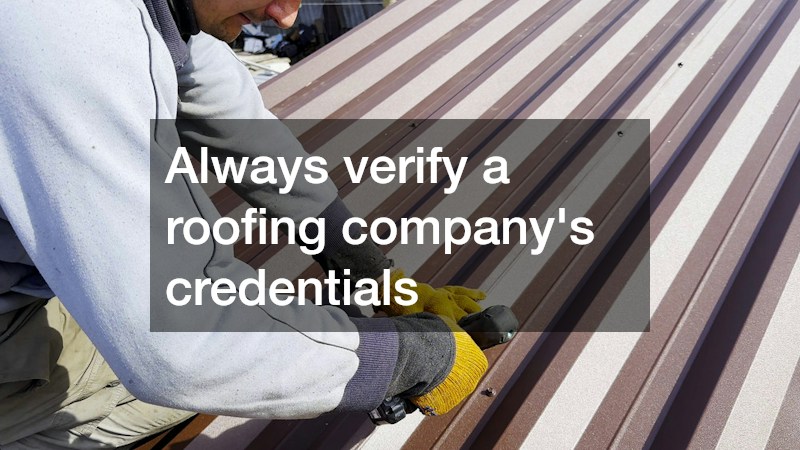
Verifying a roofing company’s credentials is an essential step in ensuring their legitimacy and capability to handle your project. Start by requesting copies of the company’s license and insurance certificates. Licensing requirements vary by state, but a proper license ensures the contractor adheres to industry regulations and standards. It is equally important to verify that they have comprehensive insurance, including liability and workers’ compensation, protecting you from potential liabilities. Contact the insurance provider directly to validate the insurance and ensure it is up-to-date.
In addition to licensing and insurance, check for certifications from roofing material manufacturers or trade organizations. These certifications often indicate advanced training and a higher standard in installation practices. Accredited contractors are held accountable to stringent standards typically set by the certifying bodies, ensuring quality service. It is also advisable to check whether the company is a member of any professional organizations, such as the National Roofing Contractors Association. Membership can reflect a commitment to staying updated with the latest in roofing technologies and best practices.
Online reviews, references, and ratings from previous clients can also give insight into the company’s reputation and reliability. Researching their profile with the Better Business Bureau (BBB) can provide additional information on their service history, including any filed complaints. Clear and consistent communication with the roofing company itself is equally vital in verifying their credibility. Professionalism in their approach, transparency in the information shared, and a willingness to provide references are positive signs of a reputable roofing company. Due diligence in verifying credentials ensures you hire a competent contractor, safeguarding the success of your roofing project.
5. What are red flags to avoid when hiring a roofer?
An important part of hiring a roofing contractor is identifying red flags that might indicate potential issues. One major red flag is reluctance or inability to provide proof of licensing and insurance, which is a legal requirement for roofing contractors. Contractors who demand full payment upfront rather than a reasonable deposit can also be a cause for concern, as this is not standard practice. Beware of those unwilling to provide a written estimate, as this initial step is crucial in setting clear expectations regarding costs and timelines. Furthermore, high-pressure sales tactics that rush you into making decisions should raise suspicion, as reputable companies respect your decision-making process and timeframe.
Another red flag includes lack of communication or unresponsiveness, which can lead to potential dissatisfaction as the project progresses. Timely and clear communication is imperative in maintaining a productive working relationship. Be cautious of inconsistent pricing or lack of transparency regarding what the estimate includes, as some contractors may present initially low bids only to cut corners or surprise you with hidden costs later. Check for operations that lack a physical business location, as this can indicate a lack of established presence or trustworthiness in your community. Failure to have a verifiable presence can complicate matters if issues arise or follow-up is needed.
Ensure that the roofer has a track record of experience and positive client reviews. Contractors without a verifiable history or those with predominantly negative reviews could compromise your project’s success. Additionally, avoid contractors who discourage you from researching further or refuse to answer your queries; open dialogue and transparency are vital. Trust your instincts and do thorough research to avoid common pitfalls, ensuring a reliable roofer is handling your project. Recognizing these red flags helps in steering clear of potential fraud and ensures you work with reputable professionals.
By understanding these crucial aspects, you’ll be better prepared to choose a reliable roofing company, ensuring peace of mind and quality results for your roofing needs. A carefully chosen contractor not only meets the legal requirements but also matches your specific project expectations, whether it’s maintenance or a full replacement. Taking the time to research, verify credentials, and ask the right questions can save you from future headaches, ensuring the longevity and safety of your roof. Remember, quality roofing starts with making an informed choice, grounded in transparent communication and diligent verification. Your home or business’s roof is a vital aspect of its structure, and selecting the right company ensures its durability and your peace of mind.