Common Reasons Your HVAC Unit Stopped Working
Few household problems are as frustrating as an HVAC system that suddenly stops working. Whether your air conditioner quits during a hot summer afternoon or your heating system fails on a cold night, a malfunctioning unit can quickly make your home uncomfortable.
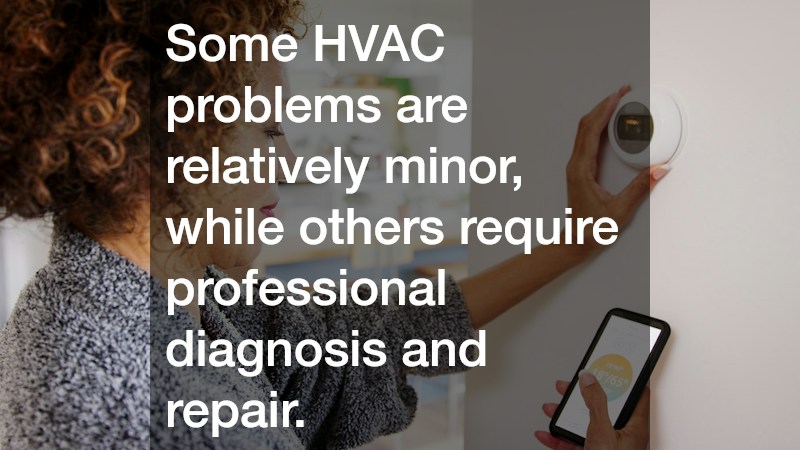
Some HVAC problems are relatively minor, while others require professional diagnosis and repair. Understanding the most common causes can help homeowners recognize warning signs and know when it is time to contact an air conditioning contractor.
A Tripped Circuit Breaker
One of the simplest reasons an HVAC system may stop running is a tripped circuit breaker. Air conditioning systems use a significant amount of electricity, and a power surge or electrical issue can cause the breaker to trip.
Homeowners can check the electrical panel to see whether the HVAC breaker has switched off. In some cases, resetting it may restore power.
However, a breaker that repeatedly trips should not be ignored. Frequent interruptions may indicate an electrical problem, failing component, or overloaded circuit. An air conditioning contractor can inspect the system to determine why the problem keeps occurring.
A Dirty or Clogged Air Filter
Air filters are designed to capture dust, pollen, pet hair, and other airborne particles before they circulate throughout the home. As these contaminants accumulate, the filter becomes increasingly restrictive.
A severely clogged filter can reduce airflow through the HVAC system. This can make the equipment work harder, decrease efficiency, and contribute to overheating or freezing.
Homeowners should check filters regularly and replace or clean them according to the manufacturer’s recommendations. Homes with pets, smokers, or higher levels of dust may require more frequent filter changes.
Thermostat Problems
Sometimes the HVAC equipment itself is functioning correctly, but the thermostat is preventing it from operating as expected.
The thermostat may have dead batteries, incorrect settings, loose wiring, or an internal malfunction. Before assuming the entire system has failed, verify that the thermostat is set to the appropriate heating or cooling mode and that the desired temperature is properly selected.
If adjusting the settings does not resolve the issue, an air conditioning contractor can test the thermostat and determine whether it needs to be repaired or replaced.
A Frozen Evaporator Coil
The evaporator coil plays a critical role in the cooling process. When airflow becomes restricted or certain other problems develop, moisture around the coil can freeze.
A frozen evaporator coil may prevent the air conditioning system from cooling the home effectively. Homeowners may notice warm air coming from the vents, weak airflow, or visible ice around indoor components.
Dirty filters, blocked vents, blower problems, and refrigerant issues can all contribute to frozen coils. Simply allowing the ice to melt may not solve the underlying problem, so professional inspection is often necessary.
Refrigerant Problems
Refrigerant allows an air conditioning system to absorb heat from inside the home and release it outdoors. When refrigerant levels become too low, the system may struggle to cool effectively or stop functioning properly.
Low refrigerant is often associated with a leak somewhere within the system. Possible signs include unusually long cooling cycles, warm air from vents, ice buildup, or unusual noises.
Refrigerant systems should be inspected and serviced by qualified professionals. An experienced air conditioning contractor can locate potential leaks and determine what repairs are appropriate.
A Failed Capacitor
HVAC systems contain capacitors that help motors start and continue operating. When a capacitor fails, the air conditioner may struggle to turn on even though other parts of the system appear to have power.
You might hear clicking or humming sounds without the outdoor unit fully starting. In other cases, the system may shut itself down unexpectedly.
Capacitors involve electrical components and should generally be handled by trained technicians rather than homeowners attempting a DIY repair.
Problems With the Outdoor Condenser Unit
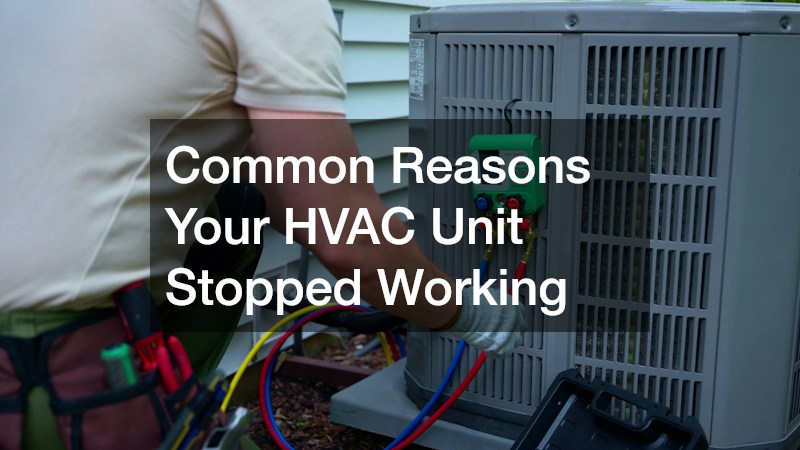
The outdoor unit releases heat collected from inside the home. Because it is exposed to the elements, dirt, leaves, grass clippings, branches, and other debris can accumulate around it.
Restricted airflow can make the system operate less efficiently and potentially contribute to overheating.
Homeowners should keep the area around the outdoor unit relatively clear. However, problems involving the condenser fan, compressor, wiring, or internal components usually require professional service from an air conditioning contractor.
Clogged Condensate Drain Lines
Air conditioners remove moisture from indoor air as part of the cooling process. That moisture typically travels through a condensate drain line.
Over time, algae, dirt, and other debris can clog the line. Certain systems include safety switches that automatically shut the HVAC equipment off if the drain becomes blocked to prevent water damage.
Water collecting near the indoor unit or unexplained HVAC shutdowns may indicate a drainage problem.
A Failing Blower Motor
The blower motor is responsible for moving conditioned air through the ductwork and into different rooms. If the motor fails, the heating or cooling equipment may operate without delivering enough air throughout the house.
Warning signs can include weak airflow, unusual squealing or grinding sounds, intermittent operation, or no air coming through the vents at all.
Because several different components can cause airflow problems, professional testing is often the easiest way to determine whether the blower motor is actually responsible.
An Aging HVAC System
Sometimes an HVAC system stops working because multiple components have simply reached the end of their service lives. Older systems can experience worn motors, damaged electrical connections, failing compressors, and declining efficiency.
If repairs become frequent or increasingly expensive, homeowners may need to compare the cost of another repair with the benefits of replacing the equipment.
An air conditioning contractor can evaluate the system’s condition and explain whether repair or replacement makes more financial sense.
Know When to Call a Professional
Some HVAC problems can be resolved by checking the thermostat, replacing a dirty air filter, or inspecting the breaker panel. Others involve electrical systems, refrigerant, motors, and mechanical components that require professional experience.
If your system will not turn on, produces unusual sounds, repeatedly shuts down, or no longer keeps your home comfortable, scheduling an inspection is usually the safest approach. A qualified air conditioning contractor can identify the actual cause of the failure, recommend the appropriate solution, and help restore reliable heating and cooling to your home.