What To Fix First After Buying A House

The home buying process doesn’t end at closing; rather, it marks the beginning of a new chapter filled with adjustments, repairs, and upgrades. Knowing what to prioritize can save you time and money. This article aims to address ten key areas of focus when deciding what to fix first in your new home.
Early attention to essential systems and safety-related concerns helps establish a sense of stability in your new space. Items like electrical functionality, plumbing performance, and structural condition often require closer review once daily living begins. Addressing these elements first allows homeowners to settle in with fewer interruptions and unexpected issues.
Once the basics are in place, it becomes easier to plan improvements that enhance comfort and efficiency. Thoughtful scheduling of projects helps balance immediate needs with longer-term goals, allowing homeowners to approach updates with confidence rather than urgency. This steady approach supports smarter decisions as the home begins to reflect both practical needs and personal preferences.
1. How do you prioritize repairs when moving into a new house?
It’s important to start by understanding the significance of the inspection report, a critical document provided after the purchase process. By identifying both minor and major issues noted in this report, homeowners can strategize their repairs effectively. Engaging the right professionals, such as a reputable drywall contractor, ensures that repairs are done correctly.
Safety is a fundamental step when prioritizing home repairs. Immediate concerns such as fixing broken railings or addressing electrical safety can prevent potential accidents. Calling in HVAC contractors to check your system can also be vital to ensure safety, especially in older homes with outdated infrastructure.
Budget planning is essential; it can focus your efforts on the most critical repairs by allocating resources effectively. Using the inspection report as a guide, you can distinguish between immediate necessities and upgrades that can wait. Prioritizing elements that affect daily living, like plumbing and HVAC systems, ensures your home remains functional and comfortable.
2. Which safety upgrades should be considered a priority?
Fire safety is paramount in any home, making the installation and checking of smoke detectors a top priority. Ensuring each room has a working detector can mean the difference between safety and disaster. Partnering with your local fire department or trusted air conditioning company may help in ensuring your home meets all fire safety protocols.
Another area necessitating immediate attention is outdated wiring. Identifying and addressing such issues with the help of professional electricians can significantly reduce the risk of electrical fires. Always consult experienced experts, such as electricians or roof repair contractors, for a thorough evaluation to ensure all electrical systems are up to code.
Secure entry points are another safety concern, as doors and windows often need reinforcing against potential breaches. High-quality lock systems and sturdy doors ensure peace of mind and security. Remember that local fence installation services can provide guidance and install barriers for added protection.
3. What are the first things you should inspect in plumbing systems?

Plumbing is an essential system that requires close inspection upon moving into a new house. Visible leaks should be identified and addressed immediately, as even minor drips can lead to significant water damage over time. Consulting experienced plumbers will assist in identifying leaks that aren’t apparent at first glance.
Water pressure testing ensures that your system provides an adequate flow for all household needs. Inconsistent water pressure may indicate deeper issues, such as blockages or outdated piping. Bringing in a qualified professional ensures any necessary repairs are handled competently.
Plumbers can also help to diagnose and clear blockages in the drainage system. Effective drainage is vital to prevent backups and potential damage to property. Addressing these issues early, with the aid of professionals, secures the longevity and functionality of your home’s plumbing systems.
4. How important is it to assess the roof and gutters?
Your home’s roof is crucial in protecting it from the elements. A thorough roof inspection can identify missing or damaged shingles that need immediate repair. Many homeowners rely on a trusted roof repair contractor to handle such tasks, ensuring the job is performed correctly and efficiently.
Gutter maintenance is also vital, as clogged gutters can lead to water damage to your home’s foundation. Cleaning and repairing gutters promptly helps maintain both the structure’s integrity and the efficacy of water drainage. Investing in a scheduled maintenance plan with a professional is often recommended.
Leaks are not just a roof problem but a potential source of water damage within the home. Assessing the condition of sealants and flashings can prevent leaks and prolong your roof’s life. Regular inspections by professionals can help in identifying issues before they escalate.
5. When should you consider upgrading the HVAC system?
Assessing your HVAC system should be a priority, particularly if you’re moving into an older home. Reviewing past energy bills can provide insights into the current efficiency of the system. Consulting an air conditioning company can help evaluate if your system is up-to-date with current energy standards, which is especially crucial in ensuring effective heating and cooling.
Filter replacement is an often overlooked but essential task that promotes improved air quality. Clean filters enable your HVAC system to function more efficiently, maintaining a healthier and more comfortable environment in the home. Regularly changing filters is a simple way to ensure optimal performance and may extend the lifespan of your HVAC system.
System age assessment provides valuable information for future planning. Older systems may require frequent repairs and are generally less efficient, urging homeowners to consider upgrades sooner. Engaging with HVAC contractors can ensure that you invest wisely in a system that suits your home’s long-term needs.
6. What initial checks should be done for the electrical system?
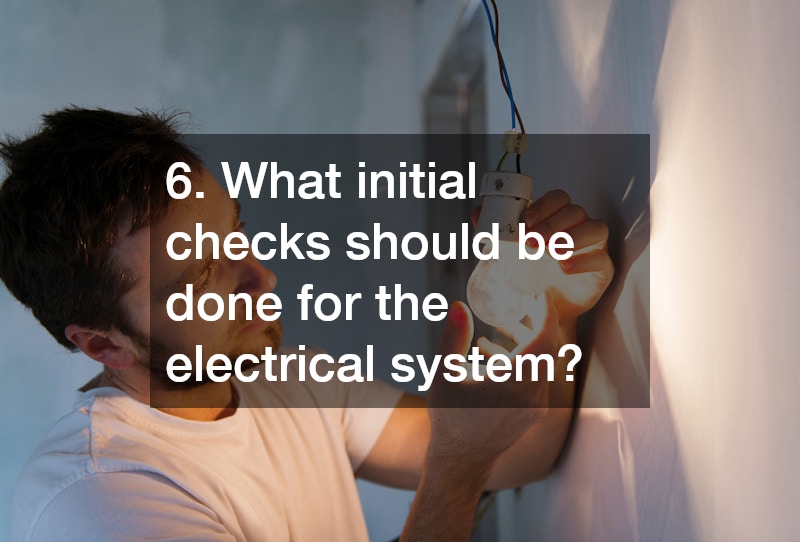
Circuit breaker analysis is fundamental when evaluating a home’s electrical system. Ensuring that circuit breakers are functional and adequately rated can prevent electrical overloads and potential fire hazards. Homeowners should consult qualified electricians to inspect and make necessary changes to meet safety standards.
Outlets should also be checked for functionality and safety, as faulty sockets can pose serious risks. If you encounter reverse polarity or non-functioning outlets, it’s imperative to make necessary repairs. Swapping out unsafe outlets with updated versions provides peace of mind.
Lighting fixtures often require attention upon moving in, especially in older homes. Updating bulbs and fixtures can improve illumination and energy efficiency within the home. Opting for energy-efficient lighting options can also reduce overall energy consumption, benefiting both your wallet and the environment.
7. Why is it necessary to evaluate insulation and ventilation?
Proper insulation is necessary for maintaining temperature within the home. Checking existing insulation types and ensuring adequate coverage can prevent heat loss, enhancing energy conservation. Retaining wall installation can be considered to bolster the insulation of basements and other areas.
Effective ventilation is equally crucial, particularly in older properties where airflow may be suboptimal. Improving air circulation prevents moisture buildup and promotes a healthier environment. Consulting with experts ensures your home’s system meets modern standards.
Energy efficiency should be at the forefront when evaluating insulation and ventilation. Identifying areas where energy loss occurs, such as through drafty windows or poorly insulated walls, allows for targeted improvements. Making these adjustments can significantly cut down on energy expenses over time.
8. How can you address immediate cosmetic repairs?
Painting is an accessible and impactful way to refresh the appearance of your home. Applying a fresh coat of paint can drastically transform interiors and exteriors, setting a personalized tone for your property. Reaching out to Benjamin Moore retailers near me can provide access to premium paint options.
Flooring fixes are also part of immediate cosmetic repairs you might consider. Whether it’s repairing scratches or replacing sections of damaged flooring, updates can enhance the overall aesthetic of the home. Consulting with a local kitchen remodeler ensures that any flooring renovations align with the desired style.
Changing outdated fixtures can further personalize your new home. This includes replacing doorknobs, lighting, and kitchen or bathroom fixtures that feel dated. These simple changes can contribute significantly towards personalizing your space to reflect your taste.
9. What role does landscaping play in home safety and aesthetics?

Landscaping plays an essential role in both safety and curb appeal. Enhancing initial impressions involves creative ways to display the natural beauty surrounding your home. Engaging with professionals to install landscape lighting or other enhancements ensures your outdoor area remains attractive and secure.
Safety can often be enhanced through thoughtful landscaping. By eliminating potential hazards such as loose rocks or obstructive plants, your yard will be a safe area for both children and pets. Creating defined pathways and ensuring thorough security around entrance points can deter would-be trespassers.
Water management through proper irrigation systems is a critical element of effective landscaping. Controlled irrigation prevents water from pooling in undesired areas, which could affect both landscaping and foundation stability. Collaborating with landscape experts can optimize water flow and ensure efficient use of resources.
10. How should you tackle pest control issues upon moving in?
Identifying pest signs early can help prevent infestations from becoming major problems. Recognizing telltale signs like droppings or gnaw marks is essential in initiating prompt action. 0 solutions, like consulting a professional exterminator, can be beneficial in thoroughly eliminating these nuisances.
Implementing preventive measures such as sealing entry points deters pests. Identifying gaps around windows, doors, and ceilings can limit insect and rodent incursions. Simple steps like applying weather stripping or caulking can substantially reduce the likelihood of future invasions.
Professional pest control services may be necessary when dealing with extensive infestations. Consulting an experienced pest control expert ensures that the right methods are employed for lasting impact. Regularly scheduled visits can help to safeguard your home against persistent pest issues.
Embarking on the journey of homeownership encompasses myriad responsibilities, beginning with assessing and addressing crucial repairs and upgrades. By systematically prioritizing safety and functionality before delving into luxury and aesthetics, homeowners can ensure a safe, efficient, and comfortable living environment. Recognizing the importance of first addressing what is crucial – these key fixes provide a solid foundation for the future.
Homeowners are encouraged to evaluate their specific situations based on professional guidance and personal priorities, acting swiftly on immediate concerns to prevent escalation. With the assistance of professionals across various trades, including a drywall contractor, plumbers, HVAC contractors, roof repair contractors, and other specialists, your new home can quickly become both a refuge and a symbol of pride.
By understanding the essential first steps in securing and enhancing your property, you transform the challenges of homeownership into opportunities for improvement and personalization. Prioritizing safety and efficiency ensures a safe and welcoming environment for you and your loved ones.