Licensed, Bonded, and Insured What It Really Means
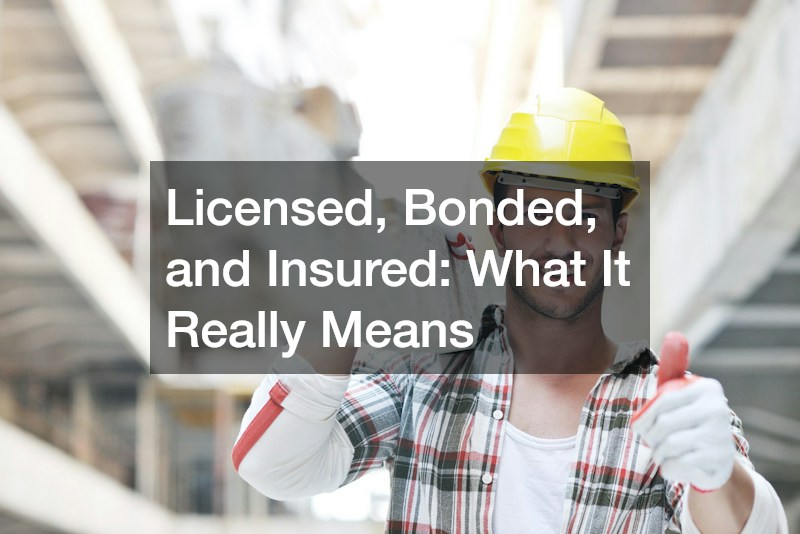
Understanding the significance of being licensed, bonded, and insured is vital for anyone hiring contractors. It ensures not only quality but also protection. This article delves into this topic, answering common questions related to various service providers like deck contractors, roofing services, and more.
1. What Does Being Licensed, Bonded, and Insured Mean for a Deck Contractor?
1.1 Importance of Licensing
A deck contractor must be licensed to legally offer their services and ensure compliance with local building codes. Licensing acts as a benchmark for professionalism and signals to customers that the contractor meets established standards. Without proper licensing, a deck contractor may face legal implications and an inability to secure client confidence.
1.2 Role of Bonding in Customer Protection
Bonding provides a financial safety net for customers by guaranteeing project completion. A bond assures that if the deck contractor fails to fulfill contractual agreements, the customer is protected financially. This serves as a form of insurance against non-completion and defective work.
1.3 Insurance Coverages that Matter
Insurance for deck contractors covers potential liabilities such as property damage or worker injuries that may occur during the project. It provides peace of mind for both contractor and client, knowing that any unforeseen mishaps are covered. Without adequate insurance, both parties face significant financial risks.
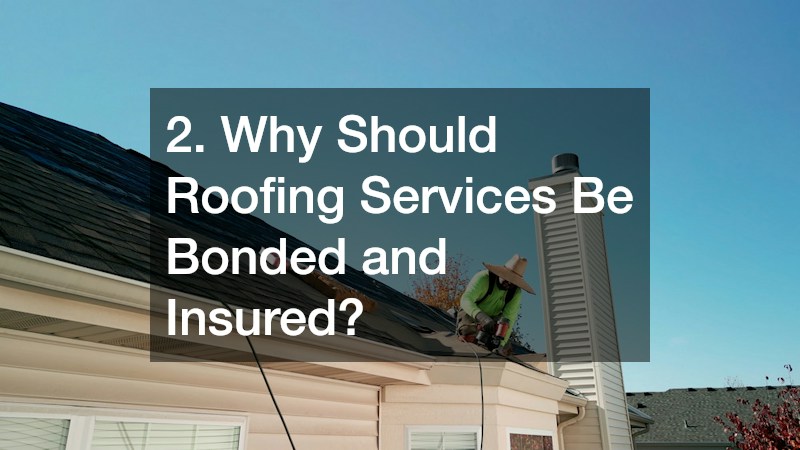
2. Why Should Roofing Services Be Bonded and Insured?
2.1 Risks in Roofing Without Insurance
Roofing services involve inherent risks due to working at heights and exposure to elements. Insurance ensures that in the event of an accident or damage, neither the contractor nor the homeowner bears the brunt of the financial burden. It covers worker compensation and any property damage that might occur during the project.
2.2 How Bonding Protects Clients
Bonding is crucial in roofing services as it guarantees the work will be completed as per the contract. If roofing services are disrupted or dissatisfactorily performed, the client is financially protected through the bond. This trust factor assures clients who invest in expensive roofing projects.
2.3 Licensing Requirements for Roofers
Roofing contractors must comply with licensing requirements tailored to city or state laws, ensuring they adhere to safety and quality guidelines. Licensing confirms that roofing services have met the educational and experiential benchmarks necessary to perform such specialized tasks. Moreover, it serves as an official credential that enhances their credibility with clients.
3. How Does Being Bonded and Insured Benefit a Hardscaping Business?
3.1 Understanding Hardscaping Insurance Policies
Insurance is a critical component for a hardscaping business, covering potential liabilities associated with landscaping projects involving heavy machinery and structural changes. With insurance, both the hardscaping business and the client are protected against accidental damage or injury on the job site. This coverage ensures that unexpected incidents do not lead to financial ruin.
3.2 Licensing Needed for Hardscaping
Licensing for hardscaping services validates that the business is qualified to deliver professional-grade work. A license is often a prerequisite for obtaining insurance, further underscoring its importance. Licensed hardscaping businesses demonstrate a commitment to following environmental and safety norms, reinforcing trust with their clients.
3.3 Protecting Clients Through Bonds
Bonds play an essential role in maintaining client trust within a hardscaping business. They offer a financial guarantee that projects will be completed following the specifications and timeline set out in the contract. If a hardscaping business fails to deliver, the bond compensates the client, minimizing financial risk.
4. What is the Necessity of Licensing, Bonding, and Insurance in a Mudjacking Service?
4.1 Licensing Regulations for Mudjacking
Mudjacking services require licensing to ensure they meet specific industry standards and regulations. Licensing endorses the service’s capability to handle technical aspects such as leveling or stabilizing concrete surfaces effectively. This validates both expertise and compliance with local regulatory requirements.
4.2 Bonding: Assurance of Quality
For mudjacking services, being bonded reassures clients about the quality and timeliness of service completion. The bond acts as a safeguard, compensating clients if the service provider fails to deliver satisfactory outcomes. Quality assurance via bonding can make a substantial difference when clients select mudjacking services.
4.3 Insurance for Mudjacking Operations
Insurance is crucial for mudjacking services due to the precision and risk involved with concrete work. It covers potential damages or accidents that might occur during the mudjacking process, protecting all parties involved. Without insurance, a single incident could lead to significant financial consequences.
5. How Do Local Concrete Services Demonstrate Their Reliability?
5.1 The Licensing Process for Concrete Services
Licensing for local concrete services reflects their adherence to operational and safety regulations set by authority bodies. This credential suggests that the service is capable of handling complex concrete projects with professionalism and precision. It enhances customer trust, making them more likely to opt for services officially recognized by local government entities.
5.2 Benefits of Being Bonded
Local concrete services gain a competitive advantage by being bonded, assuring clients that they will meet contractual obligations and quality standards. A bond offers clients compensation if the service does not reach completion or falls short of quality expectations. This financial protection instills confidence in clients seeking reliable and professional service delivery.
5.3 Insurance Importance in Concrete Work
Insurance extends critical protection to local concrete services, covering liabilities such as workmanship errors or accidental damage. It affirms the service’s commitment to responsibly managing risk throughout the project. Clients value services that proactively address potential mishaps with comprehensive insurance coverage.
6. What Should You Know About a Remodeling Company’s Licensure and Insurance?
6.1 Licensing for Remodeling Projects
Licensing indicates that a remodeling company complies with the prerequisites necessary for conducting renovation tasks, ensuring structural integrity and safety. This credential confirms the company’s knowledge of building codes and permits, essential for legality and quality assurance. Clients can trust licensed companies to handle projects with expertise and governmental approval.
6.2 Bonding: Why It’s Crucial
When hiring a remodeling company, bonding is vital because it protects investment by ensuring project completion according to agreed terms. Should a company go out of business or fail to meet project specifications, the bond compensates for the potential financial loss. A bond serves as a promise of professionalism, encouraging client confidence in the company’s capabilities.
6.3 Insurance: Ensuring Remodeling Safety
Remodeling projects can be complex and unpredictable, making insurance indispensable for covering accidents or damages incurred during the process. Insurance reassures clients, knowing that unforeseen incidents do not become a financial liability. It underscores a remodeling business’s commitment to safeguarding client interests, enhancing their professional standing.
7. Why is it Essential for a Garage Door Installer to Be Licensed, Bonded, and Insured?
7.1 Garage Door Installer Licensing
Garage door installers must be licensed to validate their competency in handling the intricacies of installation and maintenance. Licensing ensures that they meet necessary safety standards, which is crucial given the mechanical complexities involved. Clients can rely on licensed installers to deliver quality and secure services.
7.2 Bonding: Client Peace of Mind
Bonding provides assurance for clients, safeguarding their investment in a garage door installation project. It acts as a guarantee that installers will fulfill the contract to the client’s satisfaction, offering financial protection if expectations are not met. This confidence in service delivery is vital for securing client trust and satisfaction.
7.3 Insurance: Coverage for Unexpected Issues
Insurance is a crucial element for garage door installers, covering potential liabilities like property damage or injury during installation. It assures clients that any unforeseen problems will be dealt with without incurring extra costs. Having robust insurance reveals a commitment to handling projects responsibly and safely.
8. What Role Does Insurance Play for an Asphalt Contractor?

8.1 Types of Insurance for Asphalt Work
Asphalt contractors face unique risks due to the nature of materials and machinery used in paving. Comprehensive insurance covers various liabilities, such as spills or equipment malfunction, thereby shielding the contractor and client from financial harm. Clients prefer insured asphalt contractors as it signals preparedness and responsibility.
8.2 Licensing: Required Qualifications
For asphalt contractors, licensing signifies adherence to legal and safety requirements essential for quality paving services. It verifies their training and competence to undertake diverse asphalt projects with precision. Licensed contractors are more likely to win trust and contracts due to their recognized credentials.
8.3 Bonding: Financial Protection for Clients
Bonds serve as financial protection for clients, assuring that the asphalt contractor will complete the project as per agreed standards. Should the contractor default, the bond compensates the client, reducing financial risk and enhancing client confidence. This financial assurance is critical when dealing with extensive and costly paving projects.
9. How Do Licensing and Bonding Affect an Excavation Contractor?
9.1 Excavation Contractor Licensing Standards
Excavation contractors require licensing to legitimize their ability to conduct technically demanding projects safely. Licensing demonstrates adherence to industry safety standards and proficiency in handling excavation equipment. It underscores a contractor’s readiness to execute projects while maintaining necessary safety protocols.
9.2 Bonding: Ensuring Project Completion
Bonding in excavation services acts as a commitment to project completion, offering recourse to clients in cases of non-performance. It financially guarantees that contractual obligations will be satisfied, thereby enhancing client trust. Clients can proceed with confidence, knowing that their excavation project is financially backed.
9.3 Insurance: Protection Against Excavation Risks
Excavation is inherently risky, making insurance indispensable to manage liabilities like site accidents or structural damage. Insurance provides a safety net, covering costs associated with unforeseen events that might occur during the excavation process. It reinforces the contractor’s accountability and dedication to maintaining safety standards.
10. Why Must a Mason Contractor be Licensed, Bonded, and Insured?
10.1 Licensing Needs for Masons
Mason contractors require licensing to verify their skill and adherence to regulations that ensure the structural integrity of their work. Licensing confirms that they possess the necessary training and proficiency in masonry techniques. For clients, a licensed mason contractor signifies professionalism and rigorous standard compliance.
10.2 Bonding as a Trust Factor
Being bonded is essential for mason contractors as it provides reassurance to clients about the quality and timely completion of their projects. Bonds offer financial compensation should the contractor fail to honor contract terms, safeguarding client interests. This trust factor is vital for building client confidence in the contractor’s commitment to quality.
10.3 Insurance: Masonry Risk Management
Insurance is crucial in masonry work to cover potential accidents or damages, thus protecting both the contractor and client. It ensures that liabilities like site accidents or inadvertent property damage do not become financial burdens. Insurance portrays the mason contractor as a responsible and prudent service provider, committed to client safety.
Ensuring that a professional service provider is licensed, bonded, and insured goes beyond the basic requirements of regulatory compliance. This combination not only meets legal standards but also acts as a profound testament to the provider’s dedication to maintaining high standards of professionalism and unwavering commitment to safety.
Licensure implies that the service provider has undergone rigorous evaluation and has demonstrated the necessary competence and knowledge required to perform the tasks associated with their profession. The licensing authority ensures that these professionals adhere to industry standards and maintain ethical practices. Thus, when you hire a contractor who is licensed, you are assured that they possess the validated skills and required expertise.
On the other hand, being bonded is crucial as it functions as a form of financial protection for clients. A bonding agreement assures that in the event the contractor fails to complete the work as agreed, you have a form of recourse to claim financial compensation. This bond acts as a safety net and demonstrates that the contractor is accountable for their commitments and that they take their financial responsibilities seriously.
Insurance is perhaps one of the most pivotal aspects of hiring a contractor. An insured professional is covered against potential liabilities that might arise from accidents or damages during the execution of a project. This coverage is not just a safeguard for the contractor but also ensures that you, as the client, do not bear the financial burden of unexpected incidents. Comprehensive insurance coverage signifies that the contractor prioritizes not just their safety, but yours as well.
Consequently, whether you are in the process of hiring a mason contractor, roofing service, or any professional in similar realms, verifying that they are licensed, bonded, and insured is an essential step. This verification process is critical in securing not just high-quality outcomes but also a secure and transparent service experience. By ensuring that these professionals meet such criteria, you effectively protect your investments and enhance the likelihood of satisfactory and successful project completion.